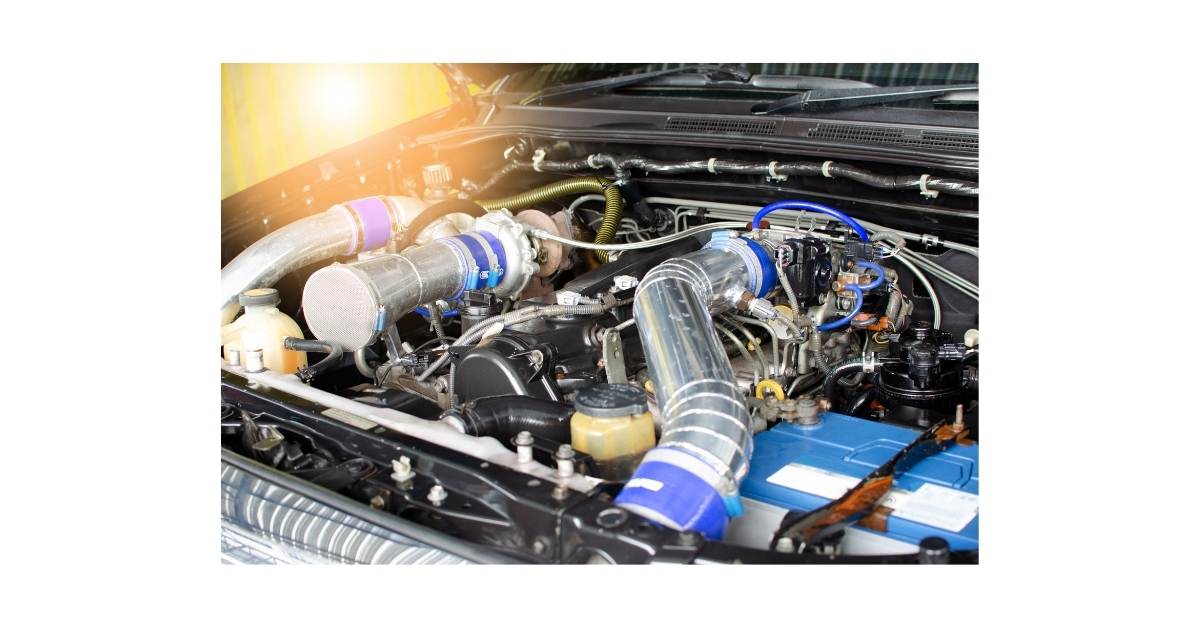
Engine Oil and Its Critical Role in Engine Performance and Longevity
Engine oil is one of the most essential yet often misunderstood components of any internal combustion engine. It does far more than simply lubricate moving parts. From temperature regulation to contamination control, engine oil directly influences engine efficiency, durability, and long-term reliability. Choosing the correct oil and understanding how it works can prevent premature wear, reduce maintenance costs, and significantly extend engine life. For vehicle owners, technicians, and enthusiasts alike, a deeper understanding of engine oil is not optional—it is foundational to responsible engine care.
Modern engines operate under extreme conditions, including high temperatures, intense pressure, and constant friction. Engine oil forms a protective film between metal surfaces, reducing friction and preventing direct contact. Without proper lubrication, components such as pistons, camshafts, and bearings would fail rapidly. This is why selecting high-quality Engine Oil and maintaining proper oil change intervals is critical for both daily drivers and high-performance vehicles.
How Engine Oil Works Inside an Engine
Inside an operating engine, thousands of metal-to-metal interactions occur every minute. Engine oil circulates through galleries and channels, reaching critical components and creating a hydrodynamic barrier that minimizes wear. This lubrication process allows parts to move smoothly, even at high RPMs, while also reducing energy loss caused by friction. In modern engines, oil pressure and flow are carefully engineered to ensure consistent coverage under varying driving conditions.
Beyond lubrication, engine oil also plays a vital role in cooling. While the cooling system manages bulk engine temperature, oil absorbs localized heat from pistons, valve trains, and turbochargers. This heat is then transferred away from sensitive components, preventing thermal degradation. Additionally, engine oil acts as a cleaning agent, suspending contaminants such as carbon deposits, metal particles, and combustion byproducts until they can be filtered out.
Types of Engine Oil and Their Applications
Not all engine oils are created equal, and understanding the differences is crucial when selecting the right product. Conventional engine oil is derived from refined crude oil and is suitable for older engines with simpler designs. It provides basic lubrication but lacks the advanced additives required for modern, high-stress engines. While affordable, conventional oil typically requires more frequent changes.
Synthetic engine oil, on the other hand, is chemically engineered to deliver superior performance. It offers better viscosity stability, improved resistance to oxidation, and enhanced protection at extreme temperatures. Many modern vehicles are designed specifically for synthetic oil due to tighter tolerances and advanced engine technologies. Semi-synthetic blends provide a middle ground, combining mineral and synthetic bases for improved performance at a lower cost. Selecting the correct oil type depends on engine design, manufacturer recommendations, and driving conditions.
Understanding Viscosity and Oil Grades
Viscosity is one of the most critical properties of engine oil, as it determines how easily the oil flows at different temperatures. Oil grades such as 5W-30 or 10W-40 indicate viscosity performance in cold and hot conditions. The first number, followed by the letter W, represents cold-temperature flow, while the second number indicates thickness at operating temperature. Choosing the correct viscosity ensures proper lubrication during cold starts and sustained protection under load.
Using oil with incorrect viscosity can lead to serious problems. Oil that is too thick may not circulate quickly enough during cold starts, increasing wear. Oil that is too thin may fail to maintain an adequate protective film at high temperatures, leading to metal contact and accelerated component damage. Always follow manufacturer specifications, as modern engines are precisely engineered for specific viscosity ranges to optimize fuel efficiency and durability.
Additives and Their Impact on Engine Health
Engine oil is more than just base oil; it contains a complex blend of additives designed to enhance performance and protection. Detergents and dispersants keep engines clean by preventing sludge and deposit formation. Anti-wear additives form sacrificial layers on metal surfaces, reducing damage under high-load conditions. Antioxidants slow oil degradation, extending service life and maintaining viscosity stability.
Modern engines, especially those with turbochargers and direct injection systems, place higher demands on oil additives. Low-quality oils with inferior additive packages may break down quickly, leading to sludge buildup and reduced protection. High-quality formulations are engineered to meet stringent industry standards, ensuring consistent performance throughout the oil’s service interval. This is another reason why investing in reputable engine oil products is essential for long-term engine health.
Engine Oil and Fuel Efficiency
Engine oil plays a surprisingly important role in fuel economy. Proper lubrication reduces internal friction, allowing the engine to operate more efficiently and convert more energy into usable power. Low-friction synthetic oils are specifically designed to enhance fuel efficiency, particularly in modern engines with tight tolerances. Even small improvements in friction reduction can lead to measurable fuel savings over time.
Conversely, degraded or incorrect oil can increase drag and resistance within the engine. This forces the engine to work harder, consuming more fuel and generating excess heat. Regular oil changes and correct oil selection help maintain optimal efficiency. For drivers focused on long-term operating costs, maintaining the right engine oil is one of the simplest and most effective strategies available.
Oil Change Intervals and Maintenance Best Practices
Oil change intervals have evolved significantly over the years. While older vehicles required changes every 3,000 miles, modern engines and advanced oils often allow much longer intervals. Some manufacturers recommend changes at 7,500, 10,000, or even 15,000 miles under ideal conditions. However, real-world driving habits such as short trips, heavy loads, and extreme temperatures can shorten oil life.
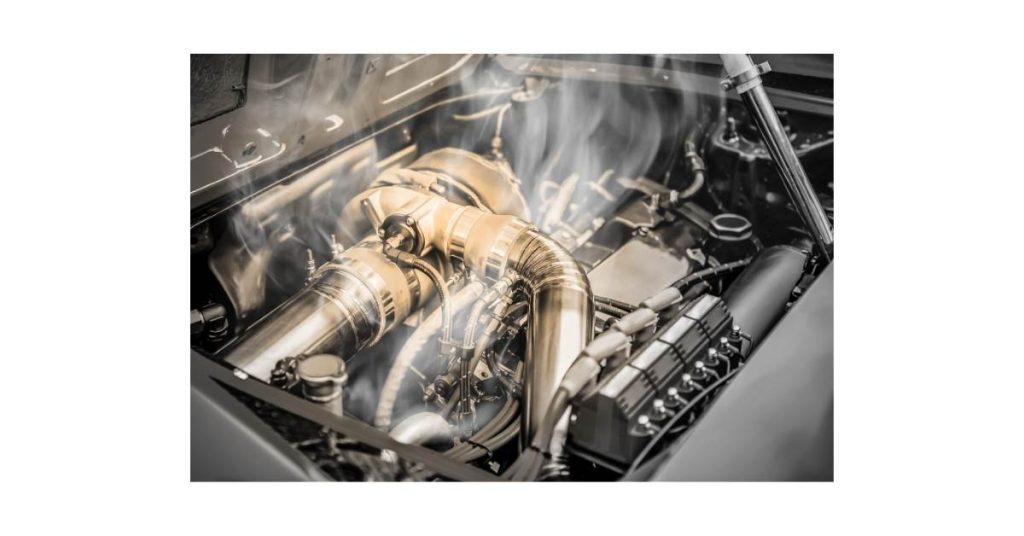
Monitoring oil condition is just as important as following mileage guidelines. Regularly checking oil level and appearance can reveal early signs of contamination or degradation. Darkened oil is normal over time, but thick sludge or metallic particles indicate potential issues. Consulting trusted technical resources like Engine Oil can help vehicle owners stay informed about best practices, oil analysis, and maintenance strategies tailored to different engine types.
Common Myths and Misconceptions About Engine Oil
Many misconceptions about engine oil persist, often leading to poor maintenance decisions. One common myth is that thicker oil always provides better protection. In reality, modern engines are designed for specific viscosities, and thicker oil can actually reduce flow and increase wear. Another misconception is that synthetic oil causes leaks in older engines. While synthetic oil can reveal existing seal issues, it does not inherently cause leaks.
Another widespread belief is that oil additives can replace regular oil changes. While additives may offer temporary benefits, they cannot restore degraded oil or remove accumulated contaminants. Proper oil changes using high-quality oil remain the most effective way to protect an engine. Understanding these myths helps vehicle owners make informed decisions based on engineering principles rather than outdated advice.
The Role of Engine Oil in Modern Engine Technologies
As engine technology advances, the demands placed on engine oil continue to increase. Turbocharged engines generate extreme heat and require oils with exceptional thermal stability. Direct injection systems can introduce fuel dilution, making oil formulation even more critical. Hybrid and start-stop systems place additional stress on oil during frequent engine restarts, requiring rapid circulation and consistent protection.
Manufacturers work closely with oil formulators to develop specifications that address these challenges. Oils meeting modern standards are rigorously tested for wear protection, cleanliness, and longevity. Using oil that meets or exceeds manufacturer specifications is essential for maintaining warranty coverage and ensuring optimal performance. As engines become more complex, engine oil remains a key enabler of innovation rather than a simple consumable.
Long-Term Benefits of Proper Engine Oil Selection
Selecting the right engine oil delivers benefits that extend far beyond routine maintenance. Proper lubrication reduces wear, preserving compression and power output over time. Clean internal components maintain efficiency and reduce emissions. Consistent oil quality also protects expensive components such as turbochargers and variable valve timing systems, reducing the risk of costly repairs.
From an economic perspective, investing in quality engine oil and adhering to proper service intervals can significantly lower total ownership costs. Engines that are well-lubricated and properly maintained retain value longer and deliver more reliable performance throughout their lifespan. In the broader context of vehicle care, engine oil is not a minor detail—it is a cornerstone of engine longevity and operational excellence.
By understanding how engine oil works, choosing the correct formulation, and following disciplined maintenance practices, vehicle owners can ensure their engines perform reliably for years to come.