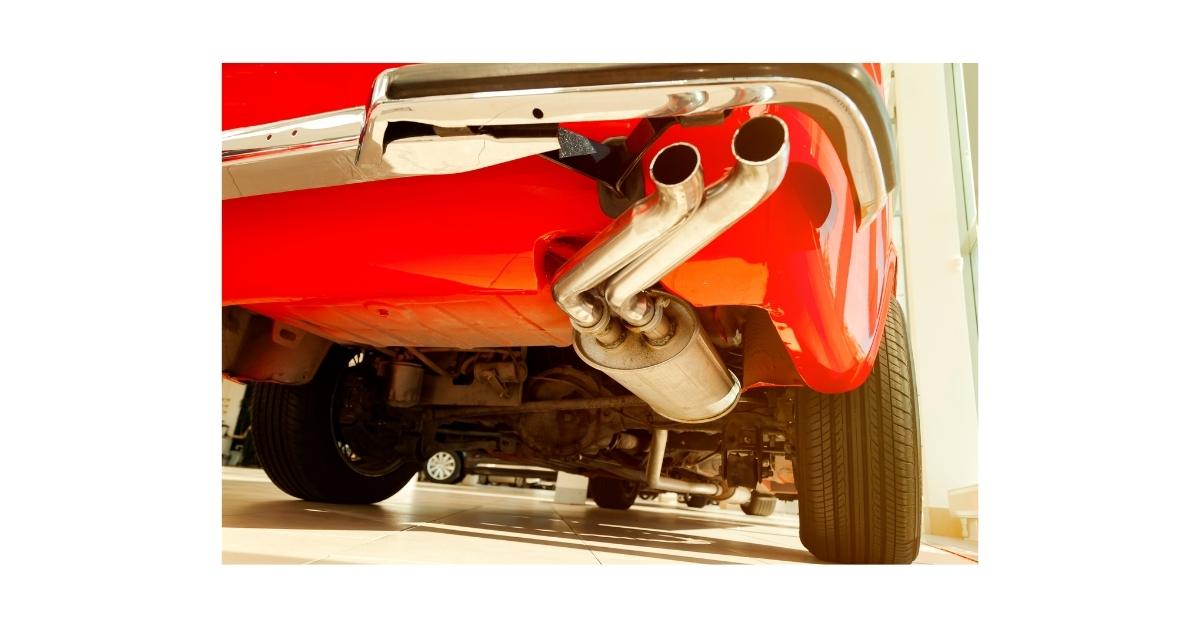
Exhaust Common Problem and Its Impact on Vehicle Performance
An Exhaust Common Problem can quietly develop over time yet have a serious impact on vehicle performance, fuel efficiency, and safety. Many drivers overlook early warning signs because exhaust components are hidden beneath the vehicle. However, the exhaust system plays a vital role in directing harmful gases away from the engine and passengers while maintaining optimal engine pressure. When a problem occurs, it often affects multiple systems at once, leading to reduced power, increased emissions, and uncomfortable driving conditions.
In modern vehicles, exhaust systems are engineered to meet strict efficiency and emissions standards. Even a minor fault such as a small leak or loose connection can disrupt this balance. Understanding how common exhaust problems arise and how they affect daily driving helps vehicle owners detect issues early and avoid costly repairs later.
Exhaust Leaks as a Widespread Issue
One of the most frequent exhaust-related issues is leakage. Exhaust leaks typically occur at joints, gaskets, or cracks in pipes caused by corrosion, vibration, or physical damage. When exhaust gases escape before reaching the muffler or catalytic converter, engine efficiency drops and noise levels increase significantly. Drivers may notice a ticking or hissing sound, especially during acceleration or cold starts.
Beyond noise, exhaust leaks can allow harmful gases such as carbon monoxide to enter the cabin. This creates a serious safety concern, particularly during long drives or in traffic. Over time, untreated leaks can also damage nearby components by exposing them to excessive heat and corrosive gases.
Corrosion and Rust in Exhaust Components
Corrosion is another exhaust common problem, especially in regions with high humidity, road salt, or frequent short trips. Moisture accumulates inside the exhaust system and, when combined with heat cycles, accelerates rust formation. Exhaust pipes, mufflers, and resonators are particularly vulnerable if made from lower-grade materials.
Rust weakens structural integrity, eventually leading to holes or complete component failure. While surface rust may seem harmless, internal corrosion is often hidden until performance issues appear. Regular inspections are essential to catch corrosion early, especially on older vehicles or those driven primarily in harsh conditions.
Muffler Failure and Noise Changes
A failing muffler is often identified by a sudden change in exhaust sound. The muffler’s job is to reduce noise by dampening exhaust pulses. When internal baffles break or rust through, the exhaust note becomes louder and harsher. Some drivers mistake this for a performance upgrade, but it usually signals a developing problem.
Muffler failure can also affect backpressure, which influences engine performance. Excessive noise aside, a damaged muffler may lead to reduced torque and inconsistent acceleration. Replacing a failing muffler promptly helps restore proper exhaust flow and maintains compliance with noise regulations.
Catalytic Converter Problems
The catalytic converter is one of the most critical and expensive exhaust components. Its role is to reduce harmful emissions by converting toxic gases into less harmful substances. A common exhaust problem involving the catalytic converter is clogging, often caused by unburned fuel, oil contamination, or prolonged engine misfires.
When a catalytic converter becomes restricted, exhaust gases cannot flow freely. This results in sluggish acceleration, overheating, and reduced fuel efficiency. In severe cases, a clogged converter can cause the engine to stall or fail to start. Addressing underlying engine issues early can prevent costly catalytic converter damage.
Loose or Broken Exhaust Hangers
Exhaust systems are supported by hangers and mounts designed to absorb vibration and keep components securely positioned. Over time, these hangers can crack, stretch, or break due to age and constant movement. When this happens, the exhaust may sag or come into contact with other parts of the vehicle.

Drivers often notice rattling noises, especially when driving over bumps or uneven surfaces. Ignoring broken hangers can lead to further damage, including cracked pipes or stressed joints. Replacing worn hangers is a relatively simple repair that prevents more serious exhaust problems down the line.
Oxygen Sensor Malfunctions
Oxygen sensors are integral to modern exhaust systems, providing data that helps regulate air-fuel mixture. When an oxygen sensor fails, the engine control unit may receive inaccurate information, leading to poor fuel economy and increased emissions. This exhaust common problem often triggers a check engine light.
Faulty oxygen sensors can also affect catalytic converter performance by allowing unburned fuel into the exhaust system. Regular diagnostics and timely sensor replacement help maintain optimal combustion efficiency and protect other exhaust components from damage.
Heat Damage and Exhaust System Stress
Exhaust systems operate under extreme temperatures, especially near the engine and catalytic converter. Over time, constant heat exposure can weaken metal components and cause warping or cracking. Heat shields are designed to protect surrounding parts, but if they become loose or damaged, heat-related issues can escalate.
Symptoms of heat damage include rattling noises, burning smells, or visible discoloration of exhaust parts. Addressing heat-related exhaust problems early prevents secondary damage to wiring, underbody components, and even interior insulation.
Short Trips and Their Effect on Exhaust Health
Frequent short trips are a less obvious but significant contributor to exhaust problems. When a vehicle is driven for only short distances, the exhaust system may not reach temperatures high enough to evaporate moisture. This moisture accumulates inside the system, accelerating corrosion from the inside out.
Drivers who primarily make short trips may experience premature exhaust failure compared to those who regularly drive longer distances. Occasional longer drives help burn off moisture and reduce internal corrosion, extending the life of exhaust components.
Diagnosing an Exhaust Common Problem Early
Early diagnosis is key to minimizing repair costs and preventing safety risks. Changes in sound, reduced fuel efficiency, unusual smells, or warning lights are all indicators of potential exhaust issues. Professional inspections often involve visual checks, pressure tests, and electronic diagnostics to pinpoint the exact problem.
Vehicle owners can benefit from understanding common symptoms and seeking expert evaluation promptly. Resources that focus on identifying and explaining an Exhaust Common Problem provide valuable insights into what drivers should watch for and how issues typically progress if left unaddressed.
Preventive Maintenance for Exhaust Systems
Preventive maintenance plays a major role in avoiding recurring exhaust problems. Regular inspections, especially before long trips or seasonal changes, help identify early signs of wear. Addressing minor issues such as loose clamps or surface rust can prevent more extensive damage later.
Using quality replacement parts and ensuring proper installation also contribute to long-term exhaust health. Many exhaust problems stem from poor-quality materials or improper fitment, emphasizing the importance of informed maintenance decisions.
Cost Implications of Ignoring Exhaust Problems
Ignoring an exhaust common problem can lead to escalating repair costs. What begins as a small leak or loose hanger may eventually damage the catalytic converter, oxygen sensors, or engine components. Additionally, unresolved exhaust issues can result in failed emissions tests and reduced resale value.
Timely repairs not only save money but also improve safety and driving comfort. Understanding the long-term financial impact reinforces the importance of addressing exhaust problems as soon as symptoms appear.
Learning More About Exhaust Common Problem Scenarios
Drivers seeking deeper knowledge about exhaust system failures, symptoms, and repair strategies can benefit from expert-focused educational resources. Detailed explanations of real-world cases help bridge the gap between symptoms and solutions. Exploring a dedicated guide on Exhaust Common Problem allows vehicle owners to make informed decisions based on accurate, experience-driven information.
By understanding common exhaust problems and their underlying causes, drivers are better equipped to maintain their vehicles, protect engine performance, and ensure a safer driving experience over the long term.


